
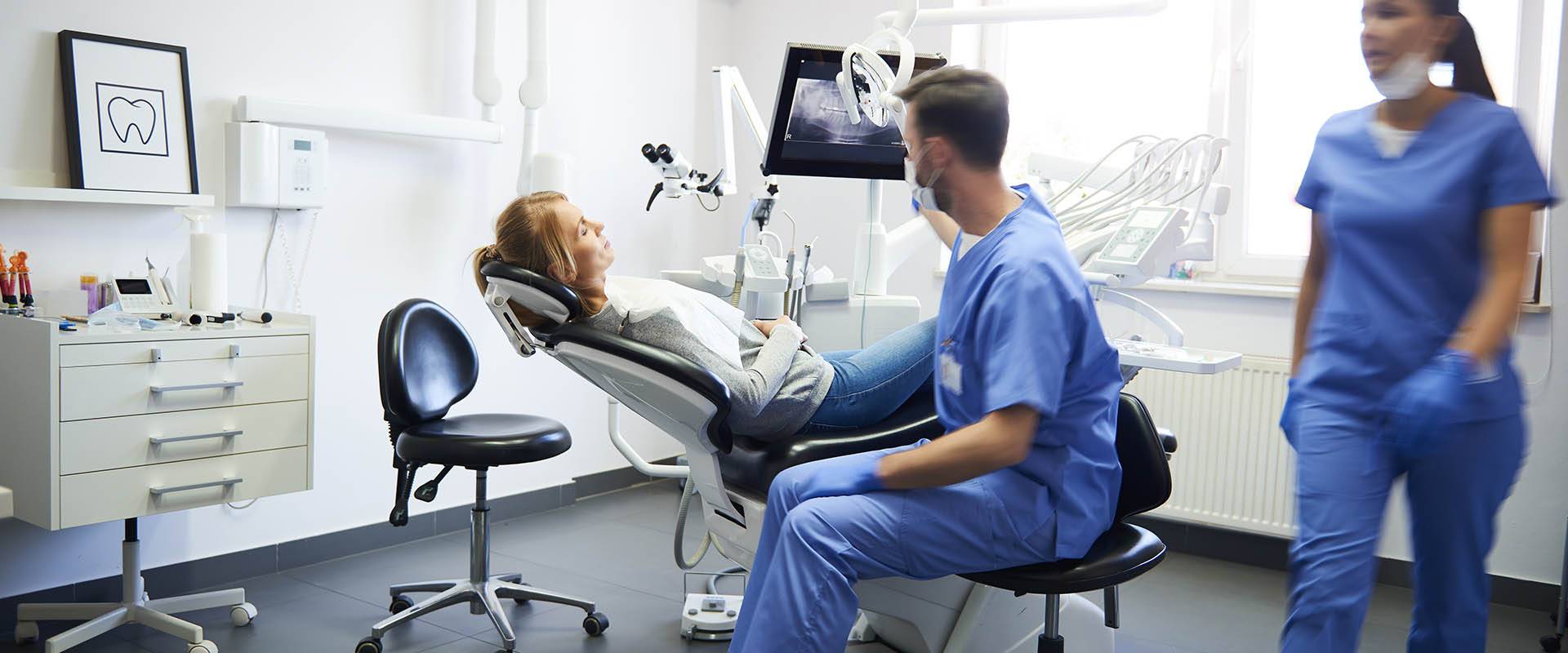
Digital dentistry has changed how dental practices and laboratories approach restorative treatment. From designing crowns to producing accurate dental models, digital technology provides new opportunities to improve communication, consistency and efficiency.
For dental professionals, understanding these developments can help when selecting laboratory services, planning restorative cases and identifying opportunities to improve workflow efficiency, enhance communication with technicians and achieve consistent, high-quality results for patients.
What Is Digital Dentistry?
Digital dentistry refers to the use of computer-based technologies throughout dental assessment, design and manufacturing.
Within a digital dental laboratory, these technologies may include computer-aided design and manufacturing (CAD/CAM), digital scans and 3D dental printing.
Rather than relying entirely on conventional impressions and manual fabrication, digital workflows allow technicians to work with detailed electronic representations of a patient’s dentition.
However, successful results still depend on accurate clinical records, appropriate materials and experienced technical judgement.
The Role of CAD/CAM Dentistry
CAD/CAM dentistry allows technicians to design restorations digitally before manufacturing them using compatible equipment and materials.
For crowns and bridgework, digital design can help technicians assess restoration dimensions, contact points and the relationship between adjacent teeth.
It also supports communication between the dentist and laboratory when adjustments are required.
The technology doesn’t eliminate the need for careful case assessment. Preparation quality, material selection and clinical requirements remain essential considerations.
Where Does 3D Dental Printing Fit In?
3D dental printing provides an additional manufacturing method for selected dental applications.
Depending on the equipment, materials and validated processes used, laboratories may produce dental models, surgical guides and other suitable components.
This approach can support repeatable production and reduce certain manual stages.
Nevertheless, printed products require appropriate post-processing, quality checks and compliance with relevant material instructions.
Better Communication Between Practices & Laboratories
One of the most useful aspects of digital dentistry is the opportunity for clearer information exchange.
Digital case files can help laboratories review the information provided and identify potential concerns before manufacturing begins.
Effective collaboration remains important, particularly for complex restorations involving multiple teeth or implant-supported work.
Providing complete prescriptions, accurate records and relevant clinical details helps technicians understand the intended outcome.
Digital Dental Laboratory Services in Birmingham
DSD Dental Ltd combines experienced dental technicians with CAD/CAM technology and 3D dental printing to support restorative dentistry.
Our Birmingham dental laboratory works with dental professionals requiring crowns, bridgework, implantology support and digitally designed products.
Contact our team to discuss your laboratory requirements and available digital dentistry services.